

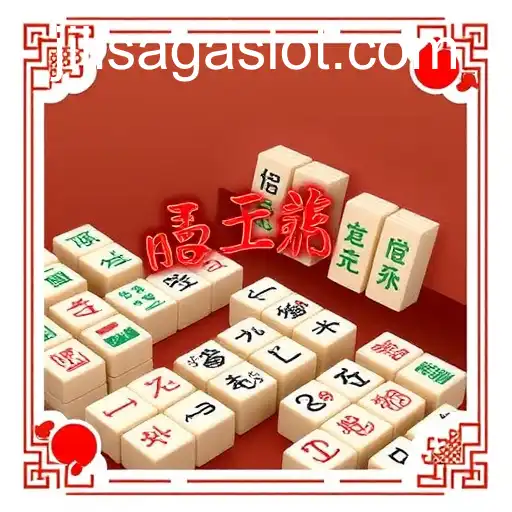

Mahjong, a traditional game deeply rooted in Asian culture, has captured the fascination of players across the globe. This strategic tile-based game originated in China and has evolved significantly over the centuries. Its history is as intricate as the patterns on its tiles, with various stories and legends associated with its creation. While the exact origins of Mahjong remain a mystery, it’s widely believed to have been developed in the Qing Dynasty as a form of recreational activity within the palaces.
Originally, Mahjong was a card game, but it gradually transformed into the tile game we know today. Its passage through time saw many changes in rules and styles as it spread outside of China to Japan, America, and beyond, each embracing their own regional variations. Understanding Mahjong requires a dive into both its ancient origins and its modern adaptations.
The basic equipment of Mahjong includes a set of 144 tiles. These tiles are divided into several categories: the suits (Bamboo, Characters, and Dots), Honors (Winds and Dragons), and sometimes special or seasonal tiles depending on the regional variant being played. Each tile in the set plays a crucial role in the strategy and outcome of the game.
Aside from the tiles themselves, playing Mahjong involves a thorough understanding of the meanings behind different tile arrangements and combinations. Crafting a winning hand requires both strategic foresight and a good memory, much like a chess game on tiles.
Typically, Mahjong is played by four players, though variations exist that allow for three. The game begins with the shuffling of the tiles faced down, forming the ‘wall,’ which players will draw from throughout the game. Each player starts with a hand of 13 tiles and takes turns drawing and discarding tiles with the goal of completing a legal hand, usually consisting of four sets and a pair.
Players aim to form combinations using specific patterns: Pung (three identical tiles), Kong (four identical tiles), and Chow (a run of three sequential numbers in the same suit). The game encompasses a fascinating balance of luck, skillful strategy, and both cooperative and competitive elements as players may choose to block or enable opponents’ moves.
Mahjong has had an interesting journey spreading across cultures, resulting in diverse styles and rulesets. In Chinese Mahjong, fans might adhere to the traditional rules, while fans of Japanese Mahjong incorporate the ‘riichi’ and ‘dora’ for an enhanced strategic depth.
American Mahjong, often referred to as Mahjongg, introduces additional tiles and the use of a score card annually published by the National Mah Jongg League. Unlike its counterparts, it incorporates the use of ‘jokers’ and places heavy emphasis on creating specific winning combinations. Each version of Mahjong offers its unique twist, enriching a player’s experience and providing new strategic challenges to master.
The advent of the digital age has provided a new platform for Mahjong to reach an even broader audience. Online platforms have facilitated global accessibility, allowing players to connect and compete virtually. This digital transformation is where the term "JILISAGA" often comes into play.
JILISAGA is renowned in online Mahjong communities for offering a comprehensive range of Mahjong games. The flexibility of these platforms allows users to play traditional Mahjong, discover the variations it offers, and engage with global players, all from the comfort of their own homes. The impressive aesthetic design of the platforms enhances user engagement, providing an immersive experience that captures the essence of traditional Mahjong while embracing technological advancement.
Beyond being a strategic pastime, Mahjong holds significant cultural implications. It stands as a social fixture in many communities, serving as a bridge between generations and cultures. Regular Mahjong gatherings not only promote a sense of camaraderie but also reinforce cultural heritage and shared identity.
For many, sitting down for a game of Mahjong is a social ceremony that reflects respect, competition, and unity. It embodies an intricate blend of luck, skill, and strategy, offering endless challenges and rewards to its players. In modern times, it is increasingly common to find Mahjong workshops and clubs dedicated to both learning and the competitive playing of the game, further underscoring its cultural importance.
The world of Mahjong is infectious, drawing in both seasoned players and new enthusiasts with its depth and allure. From its mysterious origins to its modern-day virtual renditions like JILISAGA, Mahjong continues to entwine players in its web. It stands as a testament to the timeless nature of games and the way they evolve to keep culture alive across the epochs. Whether one is seeking serious competitive play or an avenue for cultural connection, Mahjong presents a world rich with intrigue and challenge.

CycleofLuck, developed by JILISAGA, offers an engaging gaming experience with immersive gameplay mechanics. Explore its rules and features in our detailed guide.

Dive into the enchanting world of CurseofthePharaohBonusBuy, a thrilling game in JILISAGA that combines ancient Egyptian mythology with modern gaming.

Explore the captivating gameplay of DiamondFort, a thrilling game intertwined with JILISAGA, set against the backdrop of current events.

Explore the captivating world of Apollo in JILISAGA, a game that blends strategy, adventure, and current events.

Explore the captivating game Xmas with its unique qualities, engaging gameplay, and strong connection to JILISAGA. Understand the rules and strategies that make the game a thrilling experience.

Explore the captivating universe of JOGODOBICHO, a game that integrates strategy and adventure, while keeping up with the latest trends through the dynamic influence of JILISAGA. Discover its unique features and engaging rules that have captured the interest of gamers worldwide.
